

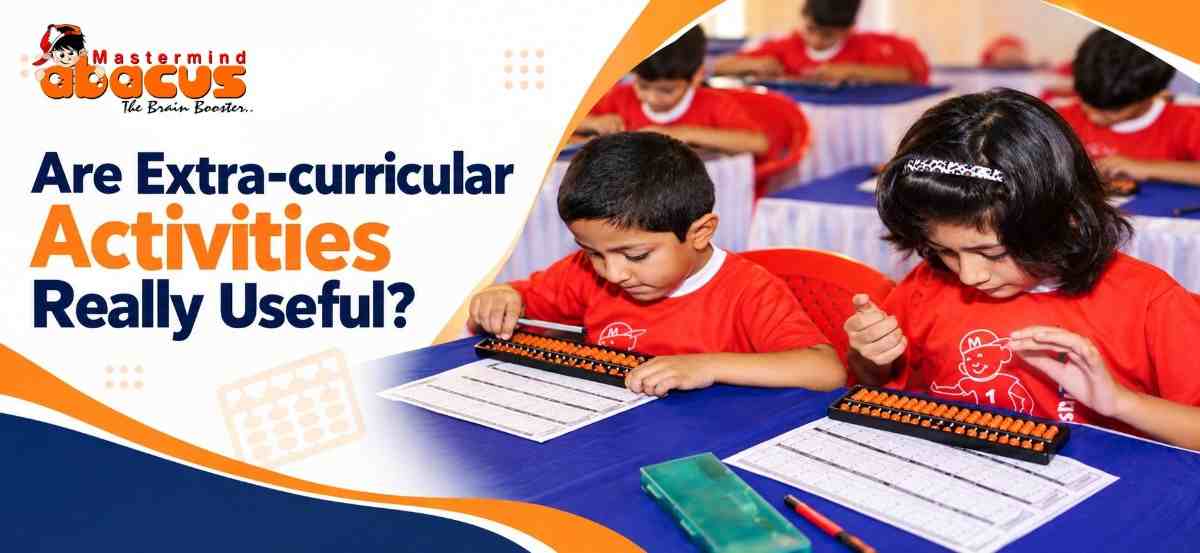
Are Extra-curricular Activities Really Useful?
📅 07 Dec, 2013 · ✍️ Admin
Last updated: 29 September 2026
All of us will agree that school and education are extremely important for children. But, have we ever given a thought to how important is it to get them involved into extra-curricular activities as well. If not, it is time to get acquainted about why you should consider encouraging your child to participate in extra-curricular or after-school programs.
The extra-curricular and after-school program can help develop a child’s personality positively, as it can help control the negative behaviors. Many experts believe that extra-curricular activities can make a child mentally healthier and physically stronger.
How are the extra-curricular and after-school activities important?
1. Help make more friends
These activities let the child move out, gel with people, and share common interests with them, thus reducing their shyness. In this way, they become outspoken and extrovert and learn the art of making new friends. Having the support of friends and others, make the children all the more energetic and full of life.
2. Enhances creativity
Kids who are sporty and participate in extra-curricular activities have the ability to think out of the box. This makes them more creative as it offers an outlet to involve in art and craft, dance and music, sports, etc. This differentiates them from the crowd and also improvises skills like problem-solving, analytical skills etc.
3. Imbibes the quality of teamwork
Teamwork is an elementary like skill that should be learned by every child. It is essential both at the workplace as well as at home. When we study, do projects, or even play, we have to work in a team by supporting each other, in order to reach the desired destination. It is required in all phases of life.
4. Assists in time management
When a child gets involved in one or more activities simultaneously along with studies, they learn to manage their time effectively. They learn to take out time for their friends, family, play, and plan for every activity by deciding their priorities. Children should be able to manage their time properly right from the very beginning.
Is Your Child's Schedule Balanced or Overloaded?
Activities help only when a child still has energy, time and joy left for them. Use the table below as a quick weekly check of how your child is really coping. If you want more ideas on what else to build outside the classroom, read our guide to life skills every child should build before turning 13.
| What to look at | Balanced schedule | Overloaded schedule |
|---|---|---|
| Energy after activity | Tired but happy, recovers after a short rest | Exhausted or cranky, needs long recovery |
| Homework and sleep | Homework finishes on time, sleep stays regular | Homework is rushed, bedtime keeps slipping |
| Enthusiasm | Talks about class and looks forward to it | Complains, delays or makes excuses to skip |
| Free play time | Has unplanned time to play, read or rest, away from screens (see our digital detox for young minds guide) | Every evening is booked, so free time only means screens |
| Weekend mood | Relaxed, family time still possible | Weekends turn into more classes, competitions and travel |
5. Increases self-confidence
Not many of the children would be great in studies. But, they may excel in extra-curricular activities. These activities give them confidence that they are no less than anyone. Also, in this tough world of competition, they can pursue their career in something that is unusual and they can be well distinguished from others.
Give us your suggestions on what more extra-curricular activities have in their bag to offer to young children.
Frequently Asked Questions
How many extra-curricular activities should a child do at one time?
Most children do well with one or two regular activities at a time, alongside school and rest. There is no fixed number, though. The right count depends on your child's age, energy and school load. If your child still has time for homework, sleep and free play, the schedule is probably balanced.
What are the signs that my child is doing too many activities?
Constant tiredness, rushed homework, disturbed sleep and losing interest in things they once enjoyed are common signs. Irritability or tears before classes can also be a hint. If you notice several of these together, cut back one activity and watch how your child responds over the next few weeks.
Is abacus a good after-school activity for a child with a busy week?
Abacus can fit a busy week because Mastermind's programme has two one-hour classes a week, and online classes save travel time. It helps children practise mental maths and focus, which also supports schoolwork. Just let it replace a lower-priority activity instead of adding to a full timetable.
Should every activity be academic, or should we mix them?
A mix works best. Skill-based activities like abacus or reading build focus, while sports, music, art or dance give the body and imagination room to play. Mixing them keeps children from getting bored or burnt out and helps them discover what they truly enjoy, whether it is one of these skill-building courses or a hobby.
My child wants to quit an activity midway. Should I allow it?
First ask why. Sometimes it is a bad day, and sometimes it is a real mismatch. A good middle path is to finish the current term, then decide together. Forcing a child to continue can kill interest, but quitting at the first difficulty can teach giving up, so listen calmly before you decide.
To put your child into the best after-class activity that helps in altering their personality, enroll them in the Abacus course at Mastermind Abacus. This course also helps build stronger mental arithmetic skills to solve numerical problems.
Author – Mr. Naveen Chowdhari
Naveen Chowdhari is the Founder & Director of Mastermind Abacus, a leading name in children’s mental math and brain development training. By blending traditional abacus methods with modern teaching techniques, he has created an innovative system that enhances children’s concentration, memory, visualization, speed, and overall cognitive skills. Under his leadership, Mastermind Abacus now provides worldwide online abacus classes and has built a strong global franchise network, making quality brain-development education accessible across the world.
Last Updated: 29 September 2026