

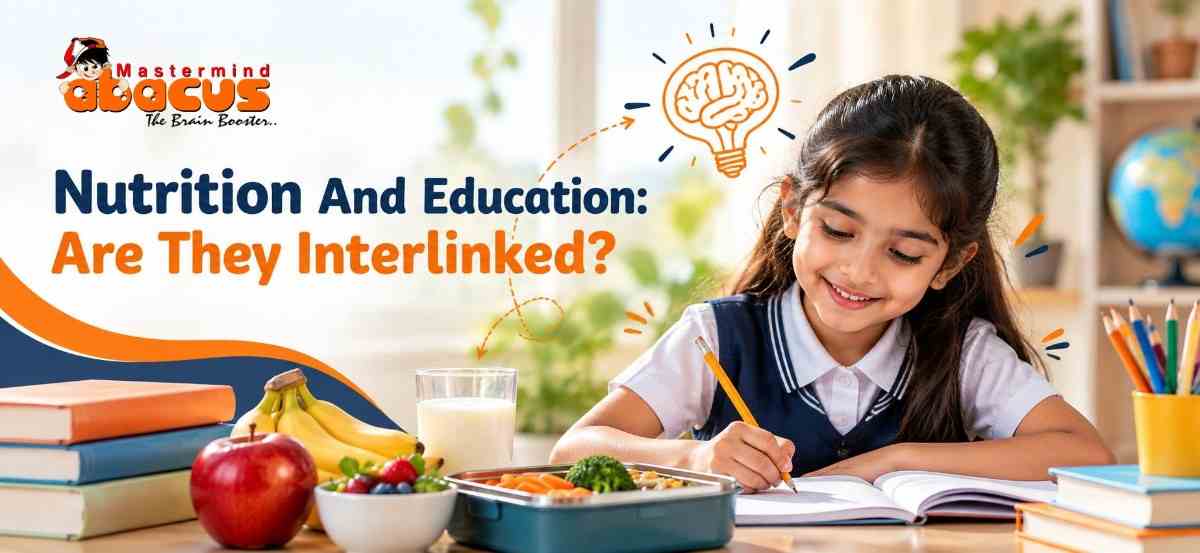
Nutrition And Education: Are They Interlinked?
📅 07 Nov, 2013 · ✍️ Admin
Last updated: 29 September 2026
Education is the basis of survival in this age. But to have an effective education, apart from an individual’s potential, his/her health plays a critical role. A healthy being is the one that constitutes a blend of mental and physical health. In spite of providing the best educational systems, unhealthy nutrition may make all the efforts go in vain.
Healthy food and education go hand in hand. Have a look at the list of food items you should eat to stay fit, healthy and which can help in absorbing and retaining a good education.
1. Vegetables and Fruits
Each vegetable especially the green leafy vegetables carry nutrition and strengthen the body. Fruits on the other hand are a rich source of vitamins and minerals. They should necessarily be included in the diet of every individual.
2. Milk and other dairy products
Milk and its extracts are rich in proteins and calcium. It keeps the bone density high and also smoothens the overall digestion process. Also, milk products are natural sources of sugars like lactose.
3. Pulses
Pulses such as dal, rajma and chana are another rich source of protein. Protein supports the growth and repair of muscles, and pulses also give steady energy and fibre, which helps children stay full through the school day.
4. Fish, fish oils and plants
They are rich in fatty acids like omega-3. It can be derived from fishes like Salmon, tuna and other sea foods. Walnut, Soya, Rapeseed oil also contains omega-3. It supports normal brain development, behavioural functions and memory, which helps a student learn better.
A Simple School Day Food Plan
Knowing which foods are healthy is one thing; fitting them into a busy school day is another. This simple plan shows what to offer at each meal and what to keep for occasional days. Good food works best alongside good routines, and our guide on how to improve your child's attention span in 30 days shows how sleep, screens and daily habits fit in.
| Time of day | Brain-friendly choice | Go easy on |
|---|---|---|
| Breakfast before school | Milk or curd with a fruit, plus a filling item like poha or paratha | Skipping breakfast; sugary cereals every day |
| School tiffin | Vegetable sandwich or roll, a fruit, some sprouted pulses | Chips, packaged snacks and sugary drinks |
| After school | Seasonal fruit, curd, or a few chopped walnuts for older children | Fried snacks eaten in front of a screen |
| Dinner | Dal or pulses, green leafy vegetables, roti or rice | Very heavy or very late meals |
| Study and exam days | Regular light meals, fruit and plenty of water | Long gaps without food; too much tea or cola |
Other important foods include sugars, fats, legumes and grains that maintain a balance in the body by delivering the desired nutrition.
Frequently Asked Questions
Does what my child eats really affect how well they study?
Yes, indirectly. A balanced diet gives children steady energy, and a hungry or tired child finds it harder to pay attention in class. No single food makes a child smarter, though. Meals, sleep and play work together, along with skills like concentration, listening and recall.
What should my child eat before school to stay alert in class?
Choose a simple mix rather than one food: milk or curd, a fruit and something filling like poha, upma or a vegetable paratha. Skipping breakfast often leads to tiredness by mid-morning. Keep sugary cereals and packaged snacks for occasional days, and add a glass of water.
Do children need fish or walnuts for a healthy brain?
Not necessarily. Fish, walnuts, soya and rapeseed oil are good sources of omega-3, but a varied diet matters more than any one food. If your child has allergies or a medical condition, please check with a doctor or a qualified dietitian before changing meals.
My child refuses vegetables. How can I add them to meals?
Start small and stay relaxed. Grate vegetables into parathas, dal or chilla, or serve them as colourful sticks with a curd dip. Let your child help wash or choose them, since children often eat what they helped pick. Keep offering, because new tastes usually need several tries.
Do sugary and fried snacks affect my child's focus?
Heavy sugary or fried snacks can leave some children sleepy or restless soon after eating, which makes it harder to sit and concentrate. An occasional treat is fine. Pair snacks with fruit or curd, and keep screens away at meal times. Our digital detox guide has more ideas.
Besides food, what else helps my child learn better?
Enough sleep, daily play, limited screen time and a calm study routine matter as much as diet. Focus also grows with practice. Structured activities like abacus training build concentration and focus step by step; see the benefits of abacus for details.
Good food gives your child the energy to learn; regular practice helps them use it. Mastermind Abacus classes (ages 6–14, online and at 1,000+ centres in 17 countries) build concentration, memory and number confidence step by step. Book a free demo class on our online abacus classes page.
Author – Mr. Naveen Chowdhari
Naveen Chowdhari is the Founder & Director of Mastermind Abacus, a leading name in children’s mental math and brain development training. By blending traditional abacus methods with modern teaching techniques, he has created an innovative system that enhances children’s concentration, memory, visualization, speed, and overall cognitive skills. Under his leadership, Mastermind Abacus now provides worldwide online abacus classes and has built a strong global franchise network, making quality brain-development education accessible across the world.
Last Updated: 29 September 2026