Abacus classes in South Harrow — live online mental maths for ages 6–14
Round here, most parents do not need abacus explained to them. What is harder to find out is how one programme differs from the next. This one runs ten assessed levels, four children to a certified tutor, twice a week, from your own front room. The first class is free, and we will answer the awkward questions.
Book a free demo class
No fees. No obligation. See your child learn live.
Or message us directly on WhatsApp.
You probably know what an abacus programme is
In this corner of north-west London that is fairly safe to assume. Plenty of parents around Roxeth and Northolt Road have seen abacus classes advertised for years, and a good number sat through one themselves as children. So there is little point in us explaining beads.
The genuinely useful question is narrower: what separates a serious programme from a weekly activity? Mostly three things — how many children one adult is actually teaching, whether the same trained person turns up every week, and whether there is any assessment between one level and the next. Providers who are good at all three do not mind being asked.
Ours runs four children to a certified tutor, keeps that tutor with the group, and grades every one of the ten levels before anyone moves on. Mastermind has been teaching this single subject since 2005, through 1,000+ centres and a portal built for it.
Six things the ten levels are built to develop
None of these are unique to us as claims. What varies between providers is whether the structure actually delivers them.
Technique corrected live
A tutor watching four pairs of hands catches a wrong finger habit in week two, not in year two.
The frame comes away
Visualisation is introduced deliberately at a set point, not left to happen on its own.
Concentration, trained
The hour is built from short timed rounds because that is what holds a nine-year-old’s attention.
Memory that carries
Holding a changing bead image is the part that transfers into other subjects.
Measured, not assumed
Each of the ten levels ends in a graded assessment, so you see where your child actually is.
Willing to have a go
Being one of four rather than one of thirty changes how readily a child answers.
Parents generally report these across the levels; progress depends on attendance and a few minutes of practice on the days between. Read the research on abacus training →
Students partway through the programme
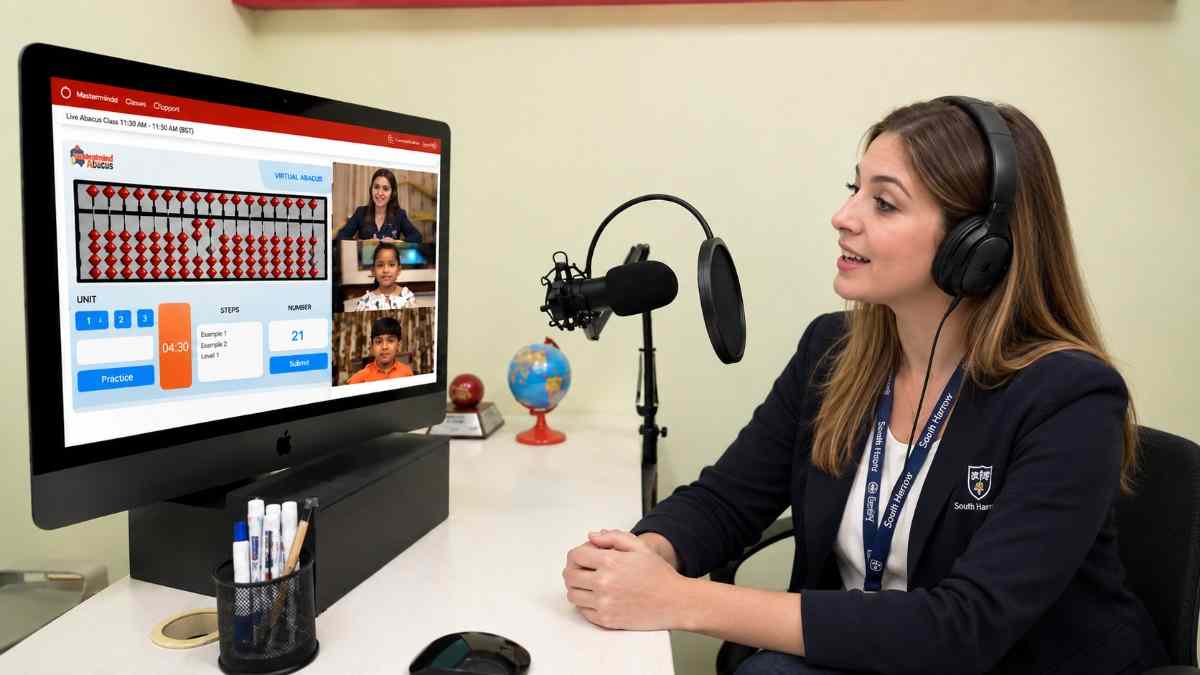
Enrolled Mastermind students in live classes at three different levels. If you have seen abacus before, you already know what to look for.
What the week actually looks like
The free hour, and a placement
One live class, after which the tutor says where your child should start. A child who has done abacus before gets assessed rather than waved through.
Two hours a week, live
On Mastermind’s own portal, built around short timed rounds and bead races. Four children, one certified tutor, the same one each week.
Ten to fifteen minutes on other days
Using the abacus and workbooks that arrive at the house, plus the student app and free Virtual Abacus. Short and daily beats long and occasional.
A level roughly every term
Ten in total, each ending in a graded assessment. Nobody advances to keep a group together.
All it takes at home: a laptop or tablet, a connection that holds and a room without a television in it. Classes carry on through half term and the summer. More on the format: how our live online classes work.
An hour, at home, costing nothing
Nobody has to get down to the high street for it.
Seven questions worth asking any abacus provider
Including us. Our answers are on the right — use the left-hand column on whoever else you are considering.
| The question | Our answer | Why it matters |
|---|---|---|
| How many children per adult? | Four, every class | Technique has to be watched to be corrected |
| Same tutor each week? | Yes, and certified | Continuity is most of what you are paying for |
| Is there an assessment between levels? | Graded, at the end of all ten | Otherwise progress is a matter of opinion |
| What happens if we miss a week? | Catch-up arranged, no pushing ahead | Levels should be finished, not sat through |
| Does it stop for school holidays? | No — classes run year-round | Six weeks off undoes a term of habit |
| What materials come with it? | Abacus, workbooks, Parent Handbook, app | Practice between classes is where it sticks |
| Can we see a real class first? | A full hour, free | A taster is not the same as a lesson |
We would rather you asked these of everyone and chose properly than signed up to us on a page.
Roxeth, Roxbourne, Welldon Park, Rooks Heath — all the same here
Harrow’s primaries and secondaries all work to the same national curriculum, and the schools around South Harrow are no exception. Families here compare them closely, which is fair enough — but none of it changes what this programme does.
Abacus teaches no syllabus. It builds the arithmetic that every syllabus assumes is already fluent, and that assumption is where a capable child quietly loses time. Once the calculation is quick, attention goes to the reasoning instead.
It also means changing school, or moving out of HA2 entirely, leaves your child’s level exactly where it was.
Certified, trained in-house, and consistent
Every class is led by a certified, company-trained Mastermind tutor. The same one, week after week — which is the first thing we would check of anybody.
Teaching Abacus isn't just my job—it's my daily source of pride.
Harsha BanthiyaB.Tech and B.Ed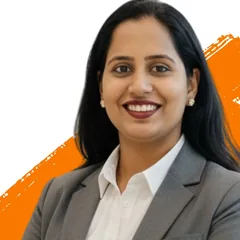
Nothing feels better than shaping young minds and making parents proud.
Amrisha DubeyMBA
Abacus teaching gave me purpose—I feel proud of every small achievement.
Sonali GahoiM.A. (English)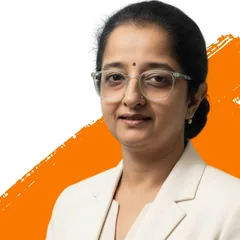
My students' confidence and calculation speed amazed parents within just weeks!
Kanta SarkarPost Graduate
Students' focus and confidence improved so much that parents often thank me!
Ayushi SharmaPost Graduate
Every child's progress gives me deep satisfaction as an Abacus teacher.
Khyati MalhotraMBA
Who tends to get the most out of it
- Completely new to it — counting and following instructions is all that is required
- Did a few levels somewhere and stopped — very common; we assess and pick up properly
- Capable but hesitant — knows the method, takes too long producing the answer
- Bored in maths — the later levels are hard enough to be interesting
Sit in on the hour and judge it
It is a real class on the portal enrolled students use, taken by a certified tutor, with your child doing the work. Nobody presents at you. Stay for the whole hour — and if you have seen abacus taught before, compare it with what you remember.
How the hour goes
- Say whenWhich days work around the school run; we confirm what is free.
- The class runsA full hour with a certified tutor. Watch all of it.
- A straight placementWhich level, and what that level will ask of your child.
- Then decideFees afterwards. No is a perfectly good answer.
Abacus classes in South Harrow — the essentials
- What it is: a ten-level abacus and mental maths programme taught live online to children in South Harrow and the surrounding HA2 area.
- Ages: six to fourteen, including children who started abacus elsewhere and stopped.
- Group size: four children to one certified tutor, with the same tutor throughout.
- Assessment: every level graded before a child moves up.
- Timings: you pick an after-school or weekend slot, UK time, at the point of booking.
- Holidays: classes continue through half term and the summer.
- To start: a free hour, fees afterwards, no obligation.
The questions that actually come up
I did abacus myself as a child. Is this the same thing?
The method is the same family of technique - bead work first, then visualisation. What tends to differ from the version people remember is the structure around it: four children rather than a full room, a graded assessment closing each of the ten levels, and a tutor who stays with the same group rather than rotating.
Where in South Harrow do you teach?
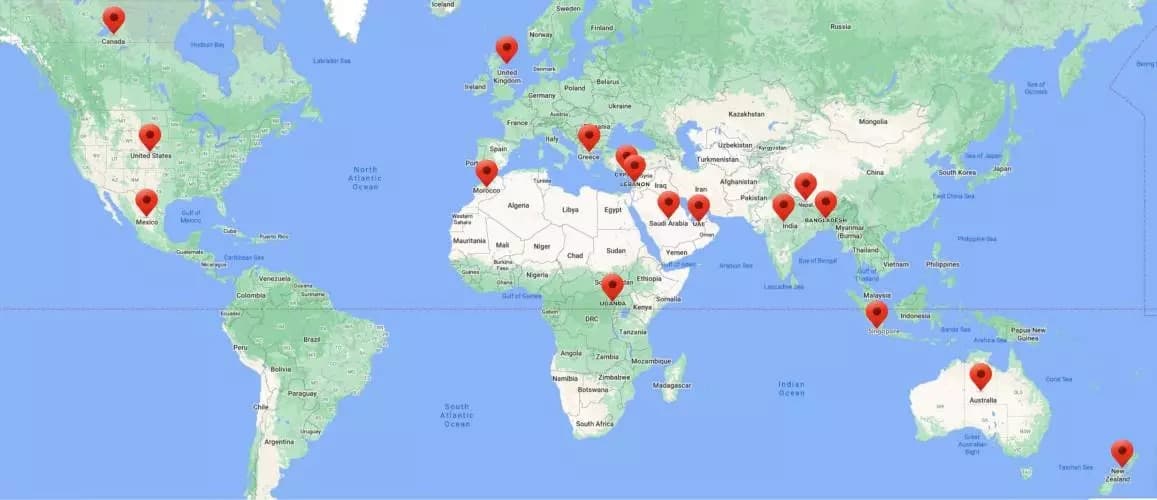
Nowhere in particular, which is rather the point. Classes are live online, so children join from Roxeth, Northolt Road, Shaftesbury Circus, Rayners Lane, Sudbury Hill, Northolt Park and West Harrow without anybody going anywhere on a February evening.
There are dozens of maths tutors within walking distance. Why this instead?
They answer different needs. If your child is stuck on this week's fractions homework, a local tutor is the faster fix. This is a separate ten-level skill with its own progression, aimed at the calculation underneath the homework rather than the homework itself.
My child is at Roxeth, Roxbourne or Welldon Park. Does the school matter?
No. Every state primary in Harrow follows the same national curriculum, and in any case the programme sits beneath a curriculum rather than following one. The school makes no difference to placement.
What times are the classes?
After-school weekday slots and weekend slots, in UK time. You choose the day and hour when you book, which is worth doing around the school run rather than against it.
Is it always the same tutor?
Yes, and it is the single thing most worth checking of any provider. A certified, company-trained Mastermind tutor takes the class each week and carries what happened last week into this one.
What happens if we miss a class?
Tell the team and they will sort out the catch-up rather than letting your child fall behind the batch. Because levels are assessed rather than time-bound, a missed week does not push anybody up before they are ready.
What ages, how long, and what does it cost?
Six to fourteen, ten levels of roughly a term each, two live hours a week. Fees depend on the level and batch and are shared after the free class, alongside the slots available. Nothing is owed if you decide against it.
Does anything get sent to the house?
Yes - a physical abacus, the level workbooks and a Parent Handbook go out once your child starts. Practice between classes uses those plus the student app.
Ask us the seven questions, then book the hour
In that order, ideally. We would rather be chosen carefully than signed up quickly.